Top Features to Look for in High-Quality Coal Valves
2025-05-02
Overview
Details
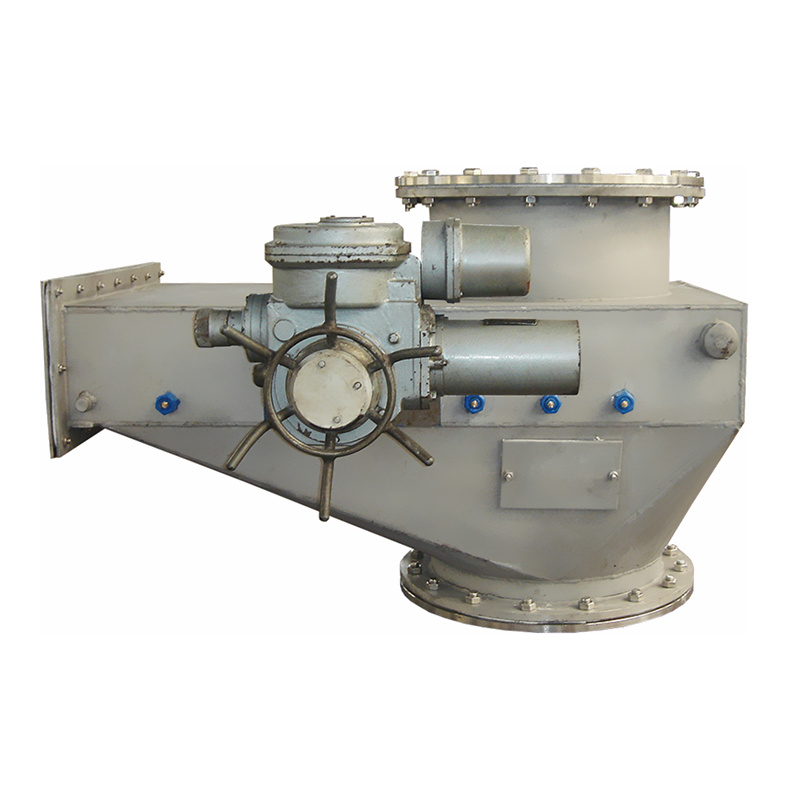
Coal valves are specialized components used in the coal industry to control the flow of coal dust and slurry in various applications. Given the abrasive nature of coal and the challenging environments in which these valves operate, it's essential to choose products that meet specific operational requirements.
The Importance of High-Quality Coal Valves
High-quality coal valves not only enhance system performance but also minimize maintenance costs and downtime. By investing in reliable valves, businesses can improve overall efficiency, reduce leakage, and ensure safety during operations.
Key Applications of Coal Valves
- **Fuel Supply Systems**: Transporting coal from storage to power generation units.
- **Coal Handling Systems**: Managing the flow of coal within processing and handling facilities.
- **Dust Control Applications**: Preventing the release of harmful coal dust into the environment.
Essential Features of High-Quality Coal Valves
When selecting coal valves for your application, it's crucial to consider several key features that contribute to their overall performance and reliability.
1. Material Composition
The **material** used in the construction of coal valves significantly affects their durability and performance. Look for valves made from high-grade materials, such as:
- **Carbon Steel**: Offers strength and durability but may require additional coatings for corrosion resistance.
- **Stainless Steel**: Provides excellent resistance to corrosion and wear, ideal for harsh environments.
- **Ductile Iron**: Known for its strength and toughness, suitable for high-pressure applications.
2. Valve Design and Type
The **design** of a coal valve is essential for its functionality. Common types include:
- **Butterfly Valves**: Ideal for quick shut-off applications and flow control.
- **Gate Valves**: Provide full flow with minimal pressure drop, suitable for on/off applications.
- **Ball Valves**: Offer high flow rates and tight sealing capabilities.
3. Sealing Mechanism
A reliable **sealing mechanism** is critical in preventing leakage and ensuring efficient operation. Look for valves with:
- **Soft Seals**: Ideal for low-pressure applications, ensuring a tight seal.
- **Metal Seals**: Suitable for high temperatures and pressures, providing longevity and reliability.
4. Flow Capacity
Understanding the **flow capacity** of a valve is crucial for ensuring it meets the operational demands of your system. Valves should be rated for the maximum flow and pressure they will encounter in service.
5. Temperature and Pressure Ratings
High-quality coal valves must withstand extreme **temperature and pressure** conditions typical in coal handling processes. Ensure the valves you choose have appropriate ratings for your operational environment.
6. Maintenance and Serviceability
Consider how easy it is to maintain and service the valves. Features like **replaceable seals**, accessibility of parts, and straightforward disassembly can significantly reduce maintenance time and costs.
7. Compliance with Industry Standards
Select coal valves that comply with relevant **industry standards** and regulations. Adherence to standards ensures the valves meet safety, environmental, and quality requirements.
8. Supplier Reputation and Support
Choose a supplier known for its high-quality products and outstanding customer support. A reputable supplier can provide guidance on selecting the right valves and offer reliable after-sales service.
How to Choose the Right Coal Valve for Your Application
Selecting the right coal valve involves understanding your specific operational requirements and matching them with the appropriate valve features. Follow these steps for an informed decision:
Assess Your Operational Needs
Evaluate the specific conditions under which the valve will operate, including:
- The type of coal being handled.
- The flow rates required.
- The temperature and pressure conditions.
Consult with Experts
Engage with industry experts or consult with valve manufacturers to gain insights into the best options for your application. Their experience can help you navigate complex requirements.
Evaluate Multiple Options
Don’t settle for the first option. Compare different valves based on the features outlined above, considering performance, durability, and cost.
Request Detailed Specifications
Always ask for detailed specifications and technical data sheets from suppliers. This information will help you make an informed choice based on evidence rather than assumptions.
Common Issues with Low-Quality Coal Valves
Investing in low-quality coal valves can lead to several operational issues, including:
- **Frequent Failures**: Poorly designed valves may fail prematurely, leading to costly downtimes.
- **Increased Maintenance Costs**: Low-quality materials often result in higher maintenance and replacement costs.
- **Environmental Risks**: Leaks and failures can result in environmental contamination, leading to regulatory penalties.
Understanding the Cost of Poor Quality
While low-quality valves may come at a lower initial cost, the long-term expenses associated with repairs, replacements, and lost productivity often outweigh these savings.
Choosing high-quality coal valves is essential for ensuring optimal performance and reliability in your operations. By understanding the critical features to consider, such as material composition, valve design, and maintenance requirements, you can make informed decisions that will enhance efficiency and reduce long-term costs. Investing in quality coal valves not only protects your equipment but also contributes to safety and environmental compliance in your industrial processes.
Key words:
Related BLOG

Contact Us
Contact:
Gabrielle Zhang
E-Mail:
WhatsApp:
+86-19398142392
Mobile:
Address:
North of Jiaozhou West Road, East of Xuanzhou Road, Jiaozhou City, Qingdao City, Shandong Province, China